
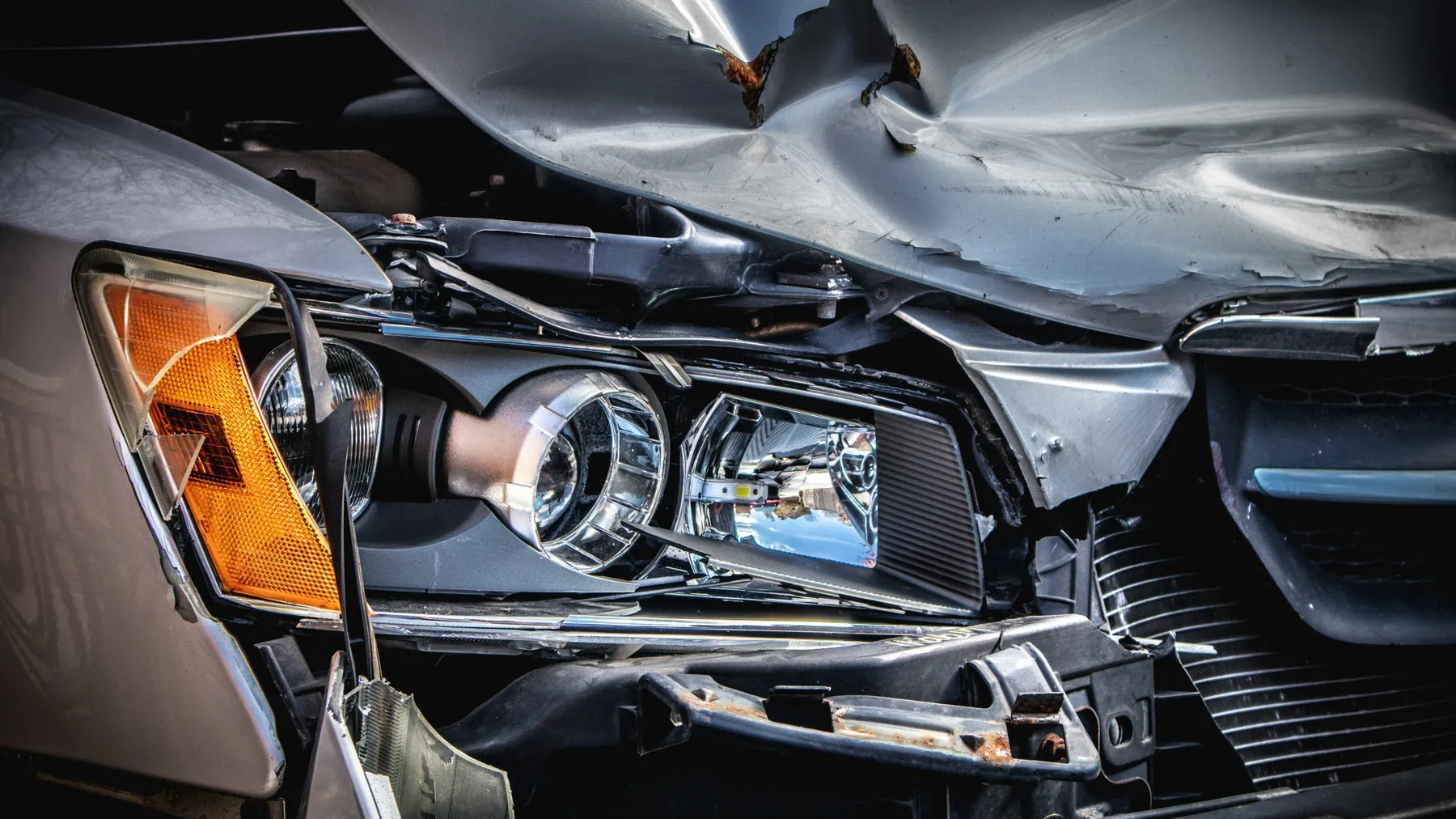

How an insurer decides your car is a total loss
After a crash, the insurer compares two numbers: what it would cost to repair the car, and what it says the car was worth the moment before the impact. When the repair estimate, plus what the wreck would fetch at salvage, gets close enough to that pre-crash value, the car is declared a total loss. Instead of paying for repairs, the insurer offers to pay the pre-crash value, less your deductible if you are claiming on your own policy.
Both numbers are estimates the insurer prepared. The repair estimate is often written before the car is torn down, and the pre-crash value comes from a valuation report produced by a vendor the insurer hires. Neither is the last word, and the second one is where most of the money is lost.
Where the offer goes wrong
Valuation reports pull “similar” cars from listings hundreds of miles away, with lower trims, higher mileage or missing packages, then adjust them with formulas that never favor you. We replace them with real local listings for the same year, trim and equipment.
Reports routinely rate a well-kept car as “average” or “fair” and subtract for wear that was never inspected. Service records, recent photos and a clean history reverse those deductions.
Premium wheels, driver-assist packages, a tow package, new tires, new brakes or a recent transmission: if it is not in the report, it is not in the offer. We document every item and put a value on it.
The payment should let you replace the car, which means the taxes and fees that come with buying one belong in the number. If you owe more than the offer, a properly supported valuation shrinks that gap before GAP coverage is even discussed.
What the in-house review looks like
Most firms treat the car as a side issue and hand it back to the adjuster. We do not. Our in-house vehicle damage specialist, with over 20 years of automotive experience including engineering experience, reviews the insurer’s valuation report item by item, builds an independent valuation from real market data for your exact vehicle, and sends the insurer a written counter with the evidence attached. If the insurer will not move, the policy’s appraisal process and the leverage of the injury claim come next.
For every injury client, this is included at no additional fee. We fight for the vehicle at no cost to you while the attorney fights for your injuries. One team, one case, one number that reflects both. More on diminished value for cars that are repaired instead of totaled.
What to do when the total loss offer arrives
- 1
Do not sign the release or accept the payment yet. Accepting the offer usually closes the property claim. The number can be challenged only while it is open.
- 2
Ask for the full valuation report. You are entitled to see the comparables, the condition rating and every adjustment. The one-page summary is not the report.
- 3
Gather proof of what your car was. The window sticker or build sheet if you have it, service records, receipts for tires, brakes or major work, and photos taken before the crash.
- 4
Do not let the car be scrapped yet. The insurer may want it moved to a salvage yard quickly. Ask for time; the vehicle is evidence for both the property and the injury claim.
- 5
Watch the storage clock. Tow yards charge daily. We help get the car released or moved so storage fees do not eat the settlement.
- 6
Send us the offer. A photo of the valuation report is enough to start. We tell you candidly whether the number is fair or whether it is worth a fight.
Common questions
How does an insurer decide my car is a total loss?
The insurer compares the estimated repair cost, plus the car’s salvage value, against what it says the car was worth before the crash. When repairs come close enough to that value, the car is declared a total loss and the insurer offers to pay the pre-crash value instead of fixing it. Both halves of that comparison are estimates the insurer prepared, and both can be wrong.
Can I dispute the total loss value?
Yes. The first offer is built from a third-party valuation report that leans on so-called comparable vehicles and condition deductions. You are entitled to see that report, challenge the comparables, document your car’s options, mileage and condition, and present your own evidence of value. Most policies also include an appraisal process if the two sides cannot agree.
What if I still owe more than the offer?
The insurer pays the car’s value, not your loan balance, so a gap can remain. GAP coverage, if you bought it with the car or through your lender, is designed to cover that difference. A higher, properly supported valuation shrinks the gap first, which is why we start with the number.
Do you charge extra for the vehicle claim?
No. For every injury client, the vehicle claim is part of the case at no additional fee. That is the Samara Promise. Our in-house vehicle damage specialist handles the total loss or diminished value side while the attorney handles your injuries.
Can I keep my totaled car?
Usually. If you keep the car, the insurer deducts its salvage value from the payment and the title is branded as salvage or rebuilt, which affects what the car is worth and how it can be insured later. Whether that trade makes sense depends on the car; we walk through it with you before you decide.